


















Key Benefits
Interactive Lessons
Dynamic Learning Experience
Step-by-
Step Progression
Cultural Enrichment
Why is Arabic Calligraphy Important for Your Child?
Despite these challenges, the rewards of learning Arabic Calligraphy are truly transformative:
Enhanced Motor Skills
Strengthens fine motor abilities, improves writing and drawing skills, and encourages proper posture and breathing for controlled movement.
Patience and Focus
Cultivates discipline, mindfulness, and the ability to concentrate on tasks with care and precision.
Cultural Connection
Deepens your child’s understanding of Arabic heritage, fostering a sense of pride and cultural identity.
Self-Confidence
Builds self-esteem as children acquire a new skill, helping them take pride in their achievements and embrace challenges.
Behavioral Development
Encourages positive traits such as discipline, respect, and resilience, which can positively impact overall behaviour.
Creative and Emotional Growth
Unlocks creativity and builds confidence through artistic expression and emotional fulfillment.
Enhanced Motor Skills
Strengthens fine motor abilities, improves writing and drawing skills, and encourages proper posture and breathing for controlled movement.
Self-Confidence
Builds self-esteem as children acquire a new skill, helping them take pride in their achievements and embrace challenges.
Patience and Focus
Cultivates discipline, mindfulness, and the ability to concentrate on tasks with care and precision.
Behavioral Development
Encourages positive traits such as discipline, respect, and resilience, which can positively impact overall behaviour.
Cultural Connection
Deepens your child’s understanding of Arabic heritage, fostering a sense of pride and cultural identity.
Creative and Emotional Growth
Unlocks creativity and builds confidence through artistic expression and emotional fulfillment.
Take the first step towards their growth and enrichment by enrolling them in our unique course today!
What Makes Our Course Different?
Our Arabic Calligraphy Course is designed for both boys and girls and it isn’t just about gaining a skill—it’s about creating a meaningful, and engaging experience tailored to every child.
Here’s what sets us apart:
Interactive Lessons
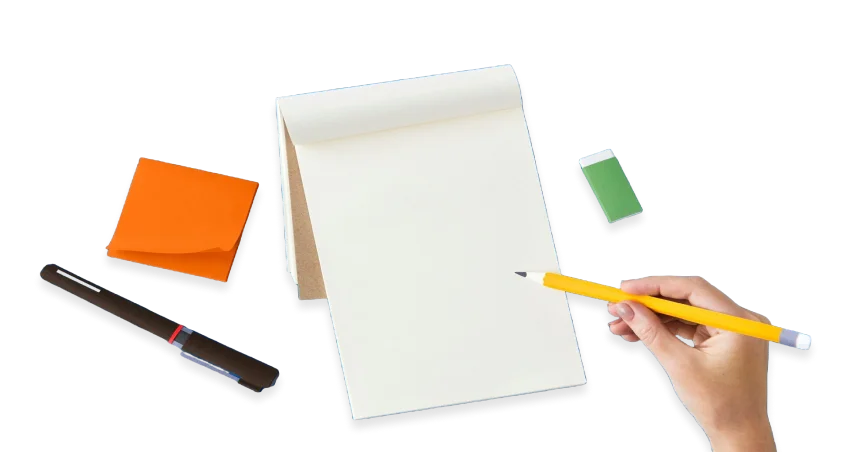
- Engaging tutorials with hands-on activities and Arabic Calligraphy practice worksheets.
- Printed sheets to make learning practical and fun.
Gamified Learning
- Creative challenges and interactive games to keep children motivated and entertained.
- Helps kids stay excited to continue learning while enhancing their skills.
Step-by-Step Learning Journey
- Starts with shaping individual letters, then progresses to forming complete sentences.
- Builds confidence and skill with each step.
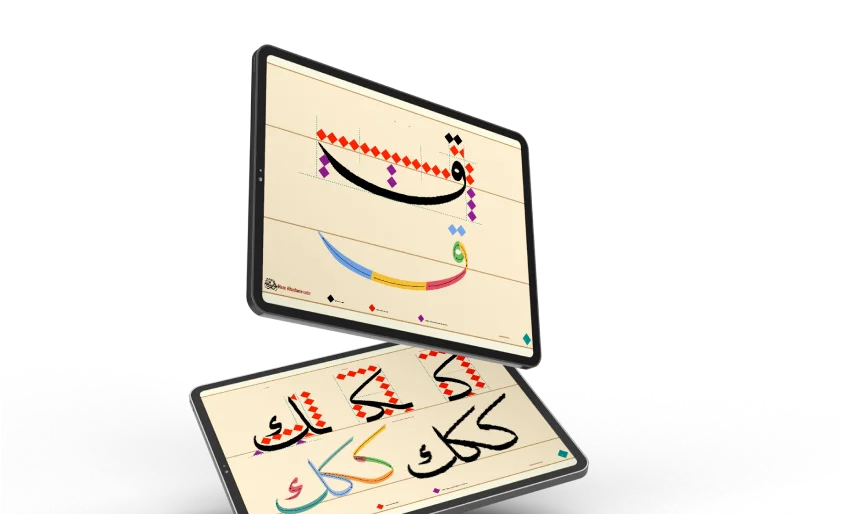
Visual Animations
- Dynamic illustrations simplify correct letter formation and stroke order.
- Visual aids make learning both engaging and easy to follow.
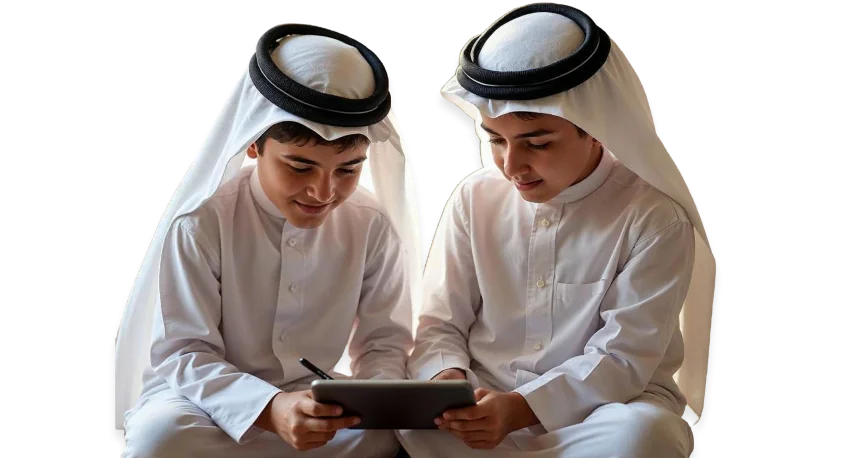
iPad & Tablet Experience
- Interactive exercises designed for tablets ensure fun, accessible, and flexible learning.
- Allows children to practice anytime, anywhere.
A Unique Experience for Every Child
- Whether a beginner or more experienced, the course helps every learner progress at their own pace.
- Builds creative confidence, improves fine motor skills, and fosters a deep cultural connection.
Empowering Every Child's Unique Journey
01 Face difficulty with attention or maintaining eye contact.
02 Experience learning challenges or delayed speech development.
03 Be naturally shy, introverted, or struggle with social confidence.
04 Exhibit traits like hyperactivity, excessive talking, or stubbornness.
05 Face hurdles such as reading difficulties, passive behavior, or even bullying.
By fostering a nurturing, engaging environment, we aim to make learning enjoyable and accessible. Through interactive lessons, and creative activities, the course encourages children to grow at their own pace, building confidence, patience, and a love for the Arabic language.
Private lessons for Your Child's Growth!
Offering Individual and Group Lessons in Dubai, Sharjah, and Abu Dhabi, Customised Just for your Child
Meet the Instructor
Empowering young learners to explore the elegance of Arabic calligraphy under expert guidance.
Instructor’s Vision
Maan Alhasbane
- Years of experience teaching Arabic Calligraphy to beginners, professionals, and non-Arabic speakers.
- Significant contributions to art workshops across most European countries and cultural centers worldwide.
- Passionate about preserving cultural heritage through both traditional and digital art, utilising the latest tools and techniques.
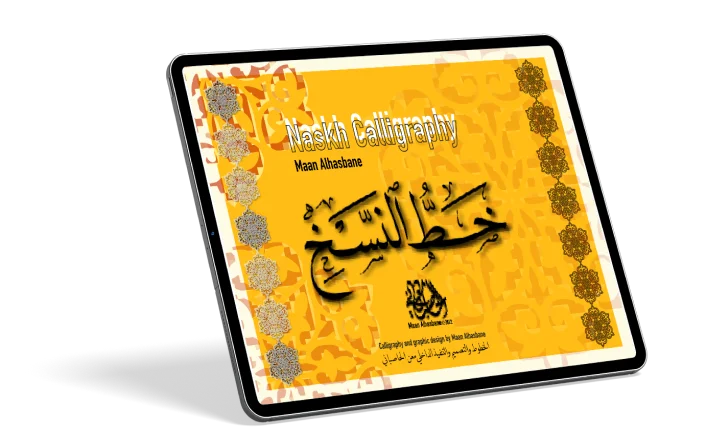
Discover Maan's
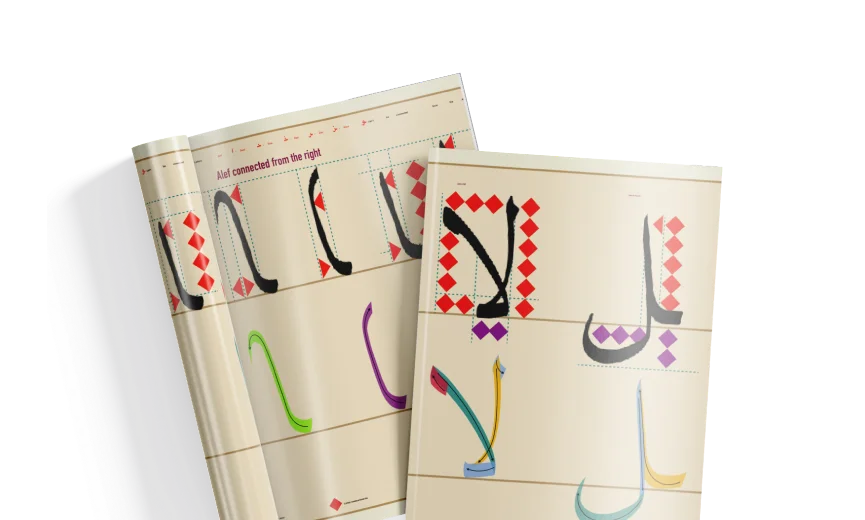
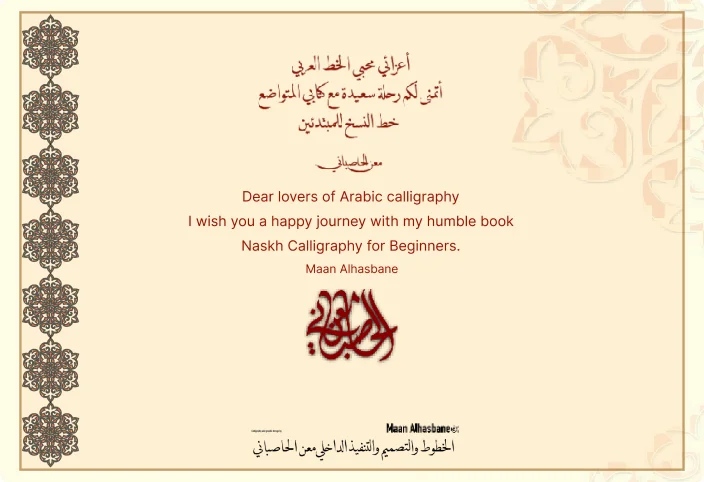
Calligraphy Book
Key Features:
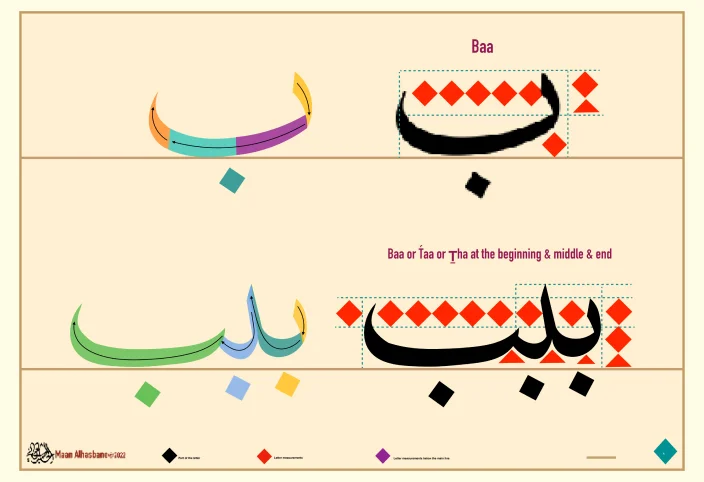
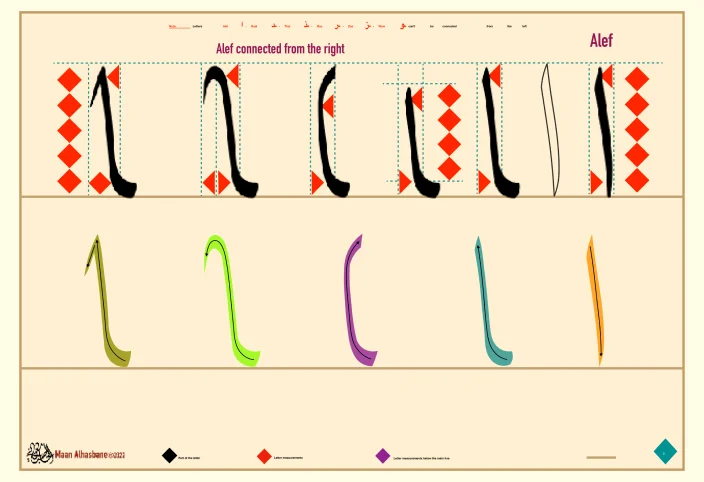
- Step-by-step instructions with visuals.
- Focused on correct letter formations and connections.
- Designed for beginners to practice the elegant Naskh style.
Note: This book is sold separately. Children will explore some of its content during the course for an interactive, enriched learning experience.
Workshops Contributions Worldwide


Hear from Happy Parents
course Details
Turn Your Child’s Free Time into a Creative Journey with Arabic Calligraphy
One-Week, 25-Hour
6 - 12 years
Arabic Calligraphy Course for Kids
- Arabic Calligraphy: Your child will develop precise, beautiful Arabic Calligraphy skills.
- Cultural Enrichment: A deeper appreciation for Arabic culture and heritage through hands-on learning experiences.
- Enhanced Focus and Patience: Learning Arabic Calligraphy helps children build patience and focus, boosting their ability to concentrate in other areas of life.
- Positive Behavioural Development: Encourages positive behavior traits like creativity, resilience, and discipline through interactive and innovative teaching methods.
- Exploring the Art of Arabic Calligraphy: Learn the art of Arabic calligraphy, from the correct measurements of letters to the use of traditional tools and inks.
- Creating Personal Art: Children will create personalised art pieces, including a family tree and a unique nameplate, as part of their learning journey.
- Exposure to Other Calligraphic Styles: Gain knowledge of various Arabic scripts and the different tools used for calligraphy.
- Printable worksheets.
- Interactive activities.
- Tablet-based applications and technology programs (iPad/Tablet exercises).
- Animated tutorials to make the learning experience more dynamic and engaging.
- A step-by-step progression from learning individual letters to writing complete sentences confidently.
- Price: 3500 AED
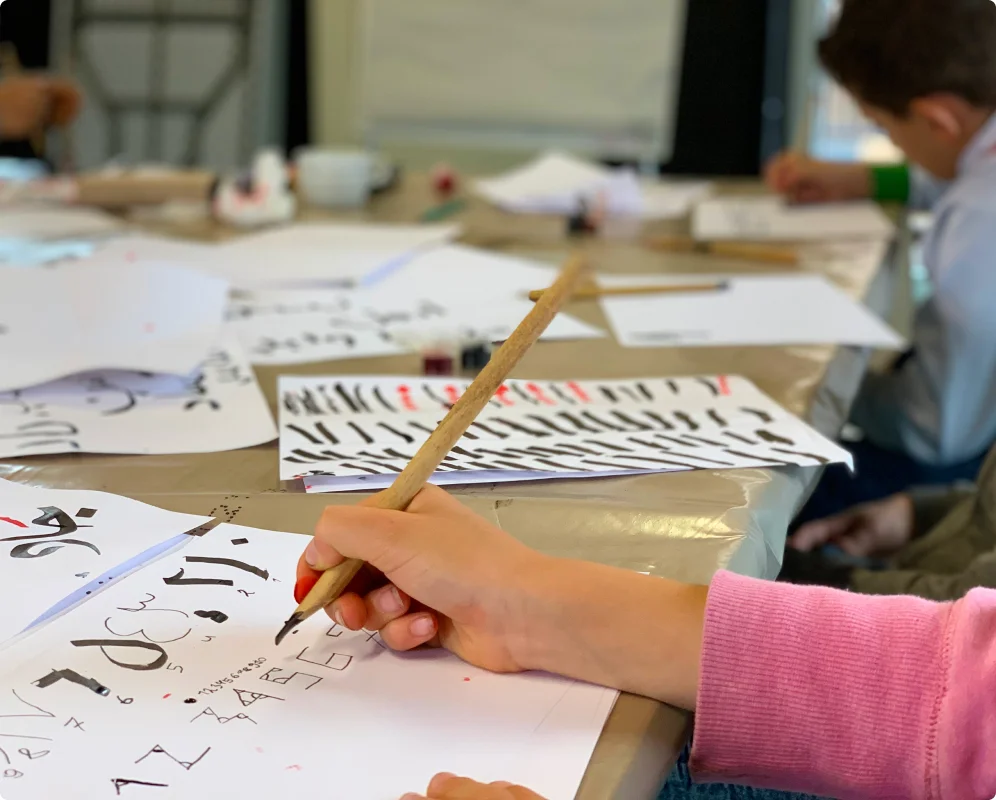
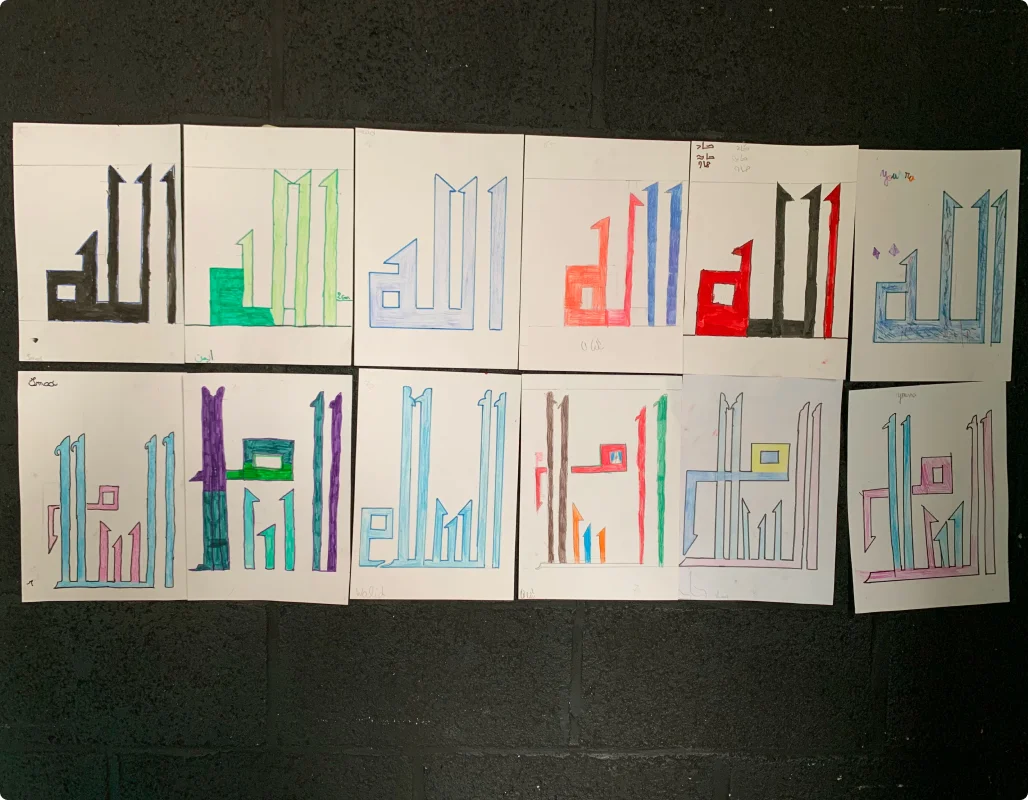
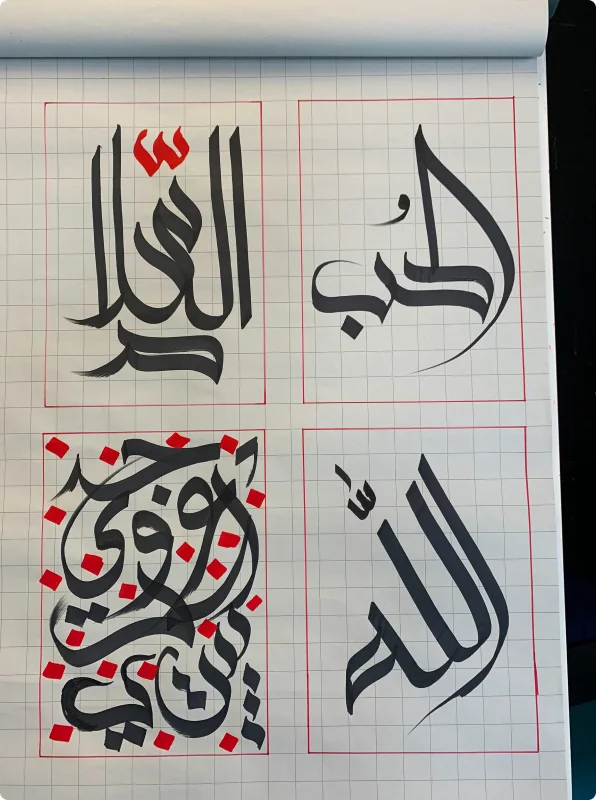
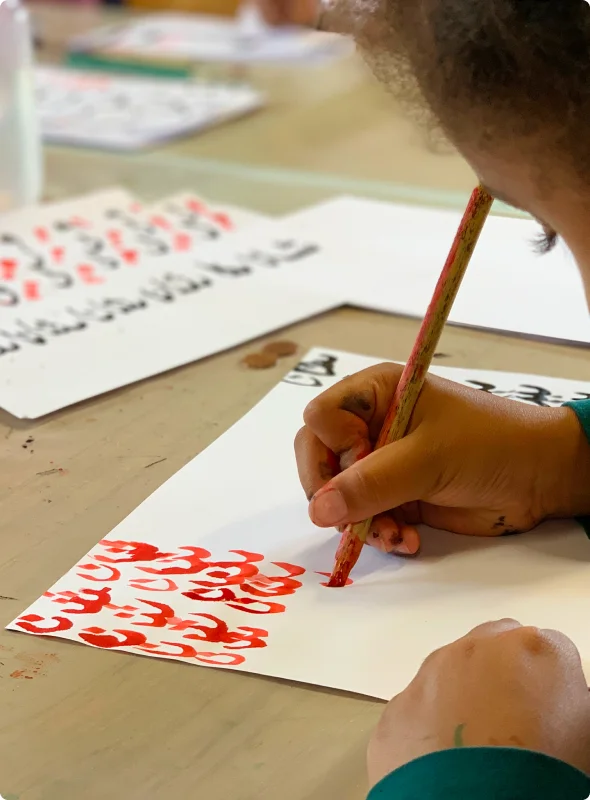
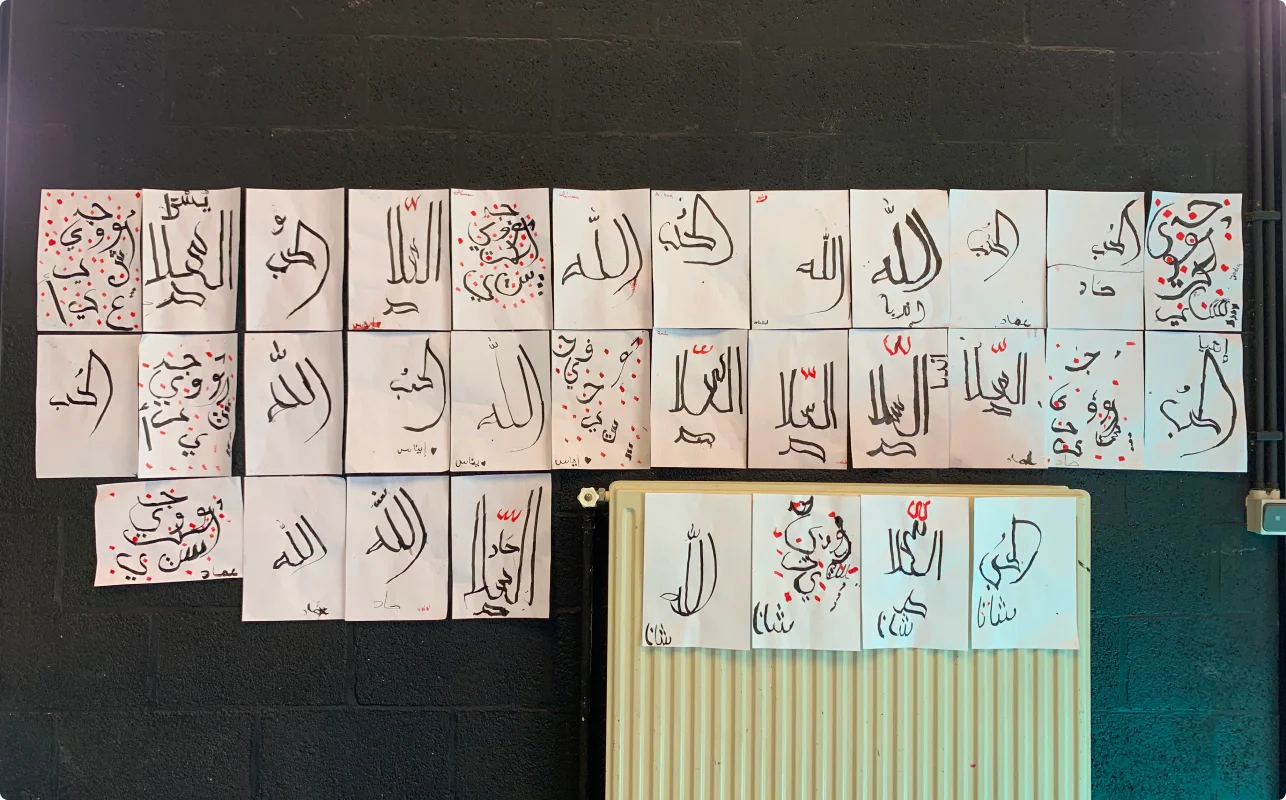
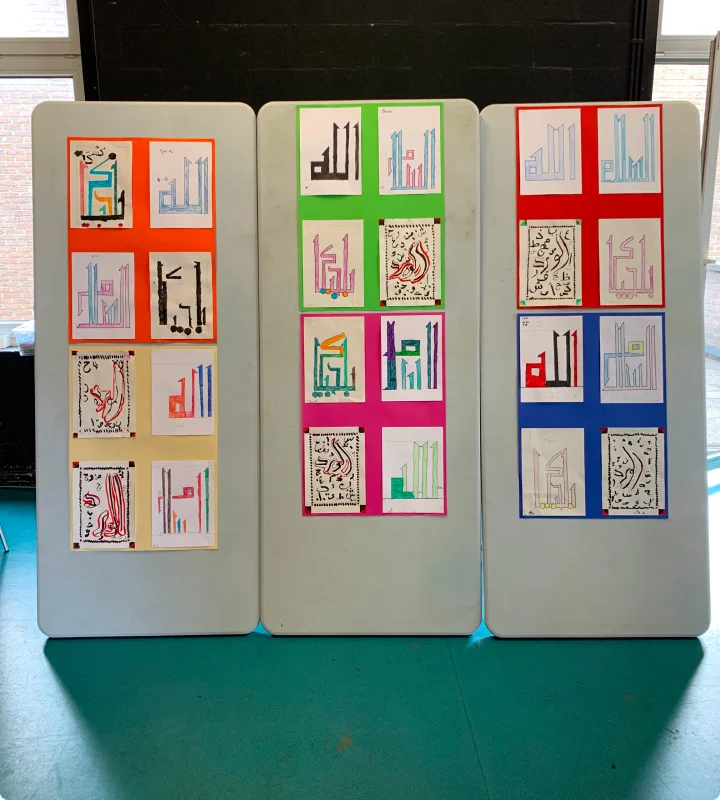
Inspiring Creations from Our Young Calligraphers
Invest Your Child's Holiday Break!
Give your child a gift that lasts a lifetime—an investment in their language skills, cultural understanding, and creative growth. This course is the perfect way to utilise their free time during holidays or weekends for something truly valuable.
Frequently Asked Questions
Your Questions Answered
Can I Learn Arabic Calligraphy Without Knowing Arabic?
This course is designed to be inclusive and accessible, making it suitable for non-Arabic speakers. Under the guidance of Mr. Maan Alhasbane, a professional Arabic calligrapher with extensive experience teaching individuals of all backgrounds—including beginners and non-Arabic speakers—you’ll receive tailored support to comprehend the art of Arabic calligraphy.
What are the emotional benefits of teaching children Arabic Calligraphy
-
Teaching children Arabic Calligraphy offers several emotional benefits:
- Cultural connection: Learning Arabic Calligraphy helps children develop a stronger sense of cultural identity and belonging, especially for those with Arabic heritage.
- Enhanced self-expression: Exploring Arabic Calligraphy allows children to appreciate the aesthetic aspects of the language, fostering creativity and artistic expression.
- Improved focus and patience: The practice of Arabic Calligraphy enhances concentration and develops patience in children, contributing to their overall mental well-being.
- Sense of achievement: As children progress in their Arabic Calligraphy skills, they experience a sense of accomplishment, boosting their self-esteem and confidence.
- Positive mental health: Learning Arabic, including Arabic Calligraphy, is beneficial for brain development and contributes to positive mental health in children.
How can I incorporate Arabic Calligraphy into modern design and art?
-
There are several ways to incorporate Arabic Calligraphy into modern design and art:
-
Calligraffiti: Blend traditional Arabic Calligraphy with modern graffiti techniques to create a fusion of styles. This approach allows for large-scale urban installations and murals that combine cultural heritage with contemporary aesthetics.
-
Digital calligraphy: Utilise computer programs and graphic design software to create elaborate calligraphic artworks with precision. This method opens up new possibilities for incorporating Arabic script into digital media and designs.
-
Mixed media: Experiment with various materials and techniques, combining Calligraphy with other art forms like painting, sculpture, or installation art.
-
Conceptual calligraphy: Use Arabic script to represent abstract ideas or intangible concepts, pushing the boundaries of traditional calligraphy.
-
Interactive calligraphy: Create pieces that engage viewers through technology or participatory elements, making the art more dynamic and accessible.
-
Typography in graphic design: Integrate Arabic Calligraphy into modern graphic design projects, such as posters, book covers, and branding materials.
-
Abstract compositions: Use calligraphic elements as a basis for creating abstract patterns and designs, focusing on the aesthetic qualities of the script rather than literal meaning.
-
Fusion with other art styles: Combine Arabic Calligraphy with elements from other art movements or cultures to create unique, cross-cultural works.
By exploring these approaches, artists and designers can create contemporary works that honor the rich tradition of Arabic Calligraphy while pushing it into new, innovative directions.
What tools and materials are needed for an Arabic Calligraphy course?
To effectively participate in an Arabic Calligraphy course, you will need specific tools and materials that facilitate the learning process. Here’s a list of essential items:
- Reed Pen (Qalam):
- The primary tool for Arabic calligraphy, traditionally made from a reed. It is cut at an angle to create a nib that produces varying line thicknesses.
- Ink:
- Special Calligraphy ink is preferred, often made from natural materials. You may also use bottled ink specifically designed for calligraphy.
- Calligraphy Paper:
- High-quality, smooth paper is essential for practicing calligraphy. It should be thick enough to prevent ink bleed and allow for smooth writing.
- Straightedge:
- A ruler or straightedge helps maintain consistent line spacing and alignment when writing.
- Pencil (HB):
- Used for sketching guidelines or outlines before applying ink.
- Silk Threads (Likka):
- These are sometimes used in traditional methods to help with spacing and alignment of letters.
- Cutting Knife:
- A sharp knife is needed to trim the reed pen to the desired nib size and shape.
- Foam Board (Optional):
- This can be used as a stable writing surface during practice sessions.
Additional Resources
- Practice Sheets:
Pre-printed sheets with guidelines for practicing different letters and styles can be very helpful for beginners. - Reference Books:
Books on Arabic Calligraphy techniques, styles, and history can provide valuable insights and examples.
Digital Tools:
For those interested in digital calligraphy, software applications that simulate traditional tools can also be useful.